How To Set Up a Tamale Bar
Setting up a tamale bar for Christmas, Cinco de Mayo or any gathering entails much more than just setting out the food. With a little planning, you can create a tamale buffet that ensures the food will stay warm, the line will flow smoothly and your guests will be happy!
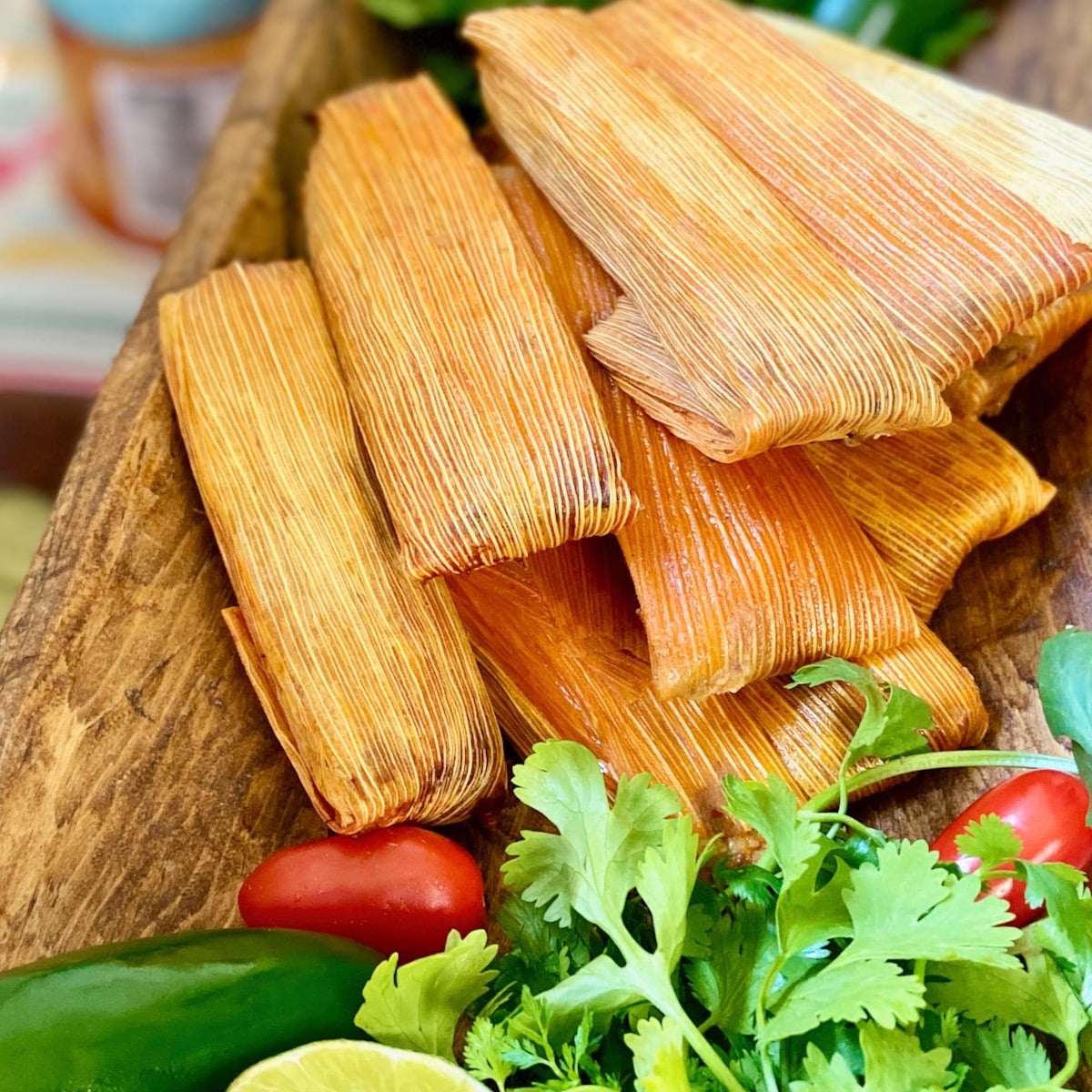
The order of how the food is arranged is important, especially if you’re serving tamales and a variety of hot, cold and room temperature sauces and side dishes. In my experience, I’ve learned the secrets to setting up an efficient, smooth-flowing buffet, making it easy on everyone to help themselves in a timely manner.
Here are my recommendations for setting up a tamale bar, including the best arrangement for the food, serving dishes, utensils, and a separate station for warm sauces.
Plan Your Tamale Bar Menu
First, decide what type of tamales you’re serving. Pork, beef and chicken are most common, but you may want to consider adding some vegetarian and vegan tamales. Cheese and green chile is a good option for vegetarians. Black bean, vegetable and sweet potato tamales are suitable for vegans.
Next, choose a few side dishes that complement the tamales. A combination of cold salads and traditional Mexican sides and a variety of sauces gives your guests plenty of options.
Some good choices include:
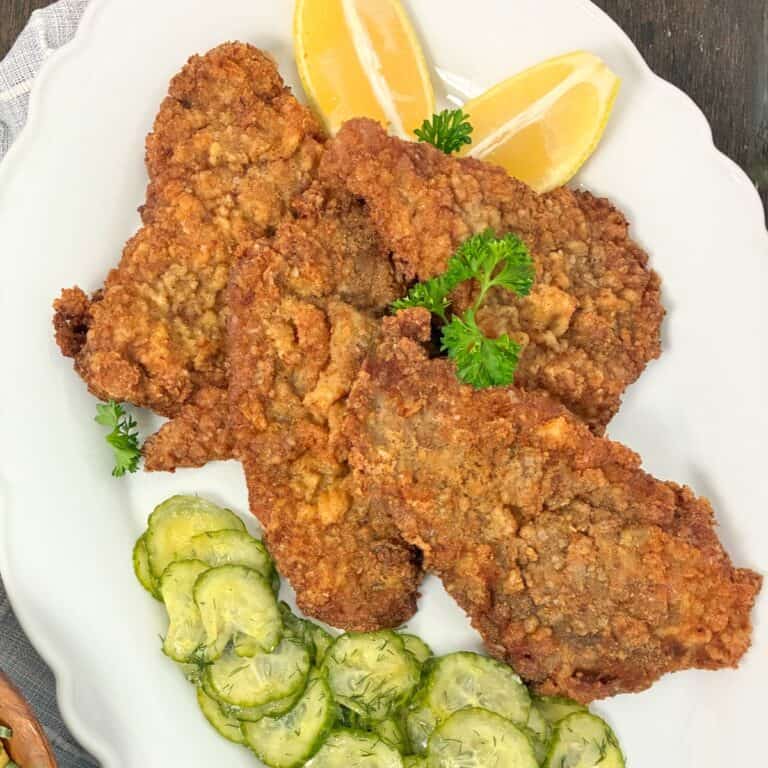
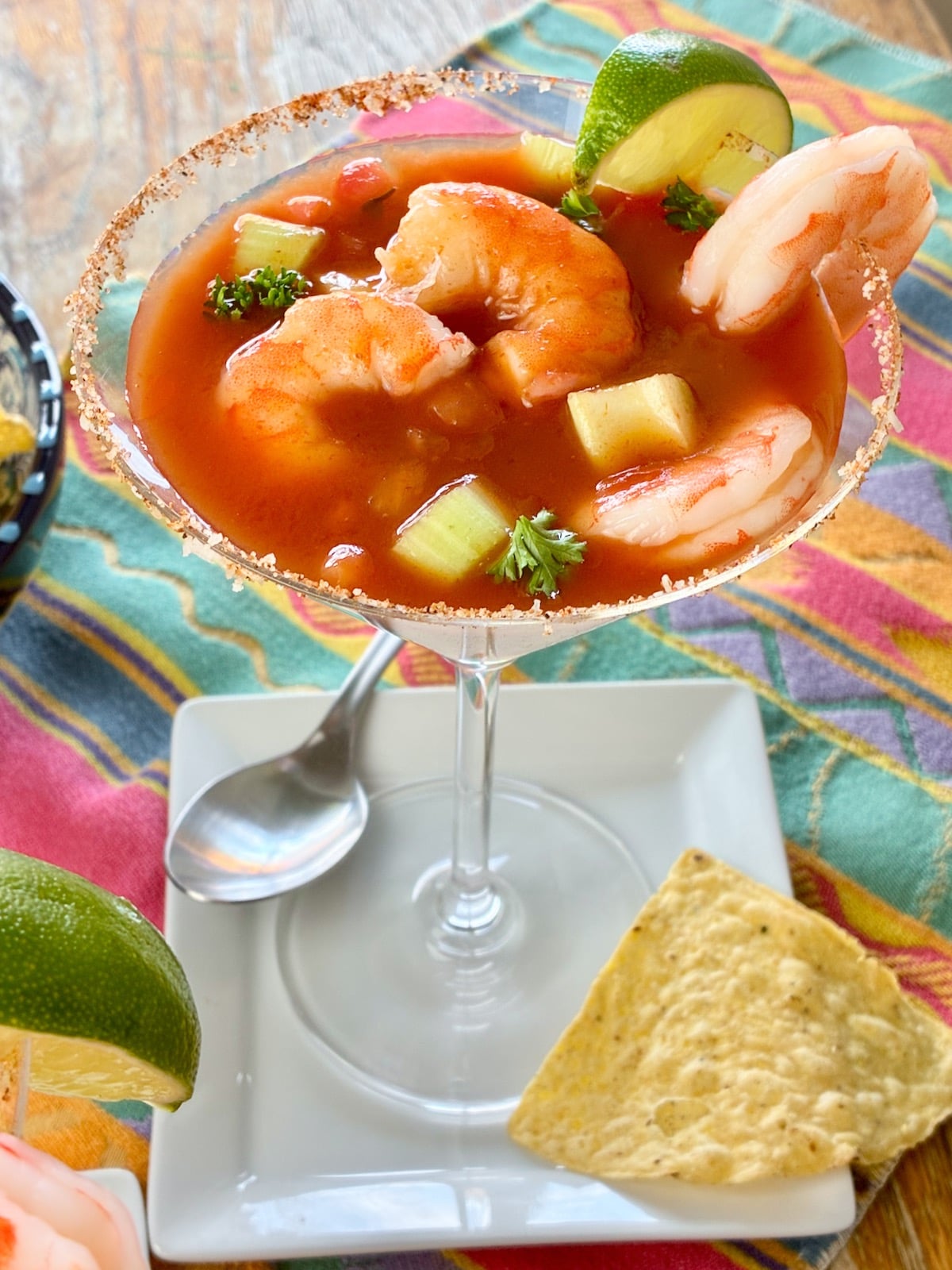
- Cold salads and appetizers: Mexican Shrimp Cocktail, Ceviche, marinated Tomato Cucumber Salad, corn salad or a simple green salad, tortilla chips, chilled salsa
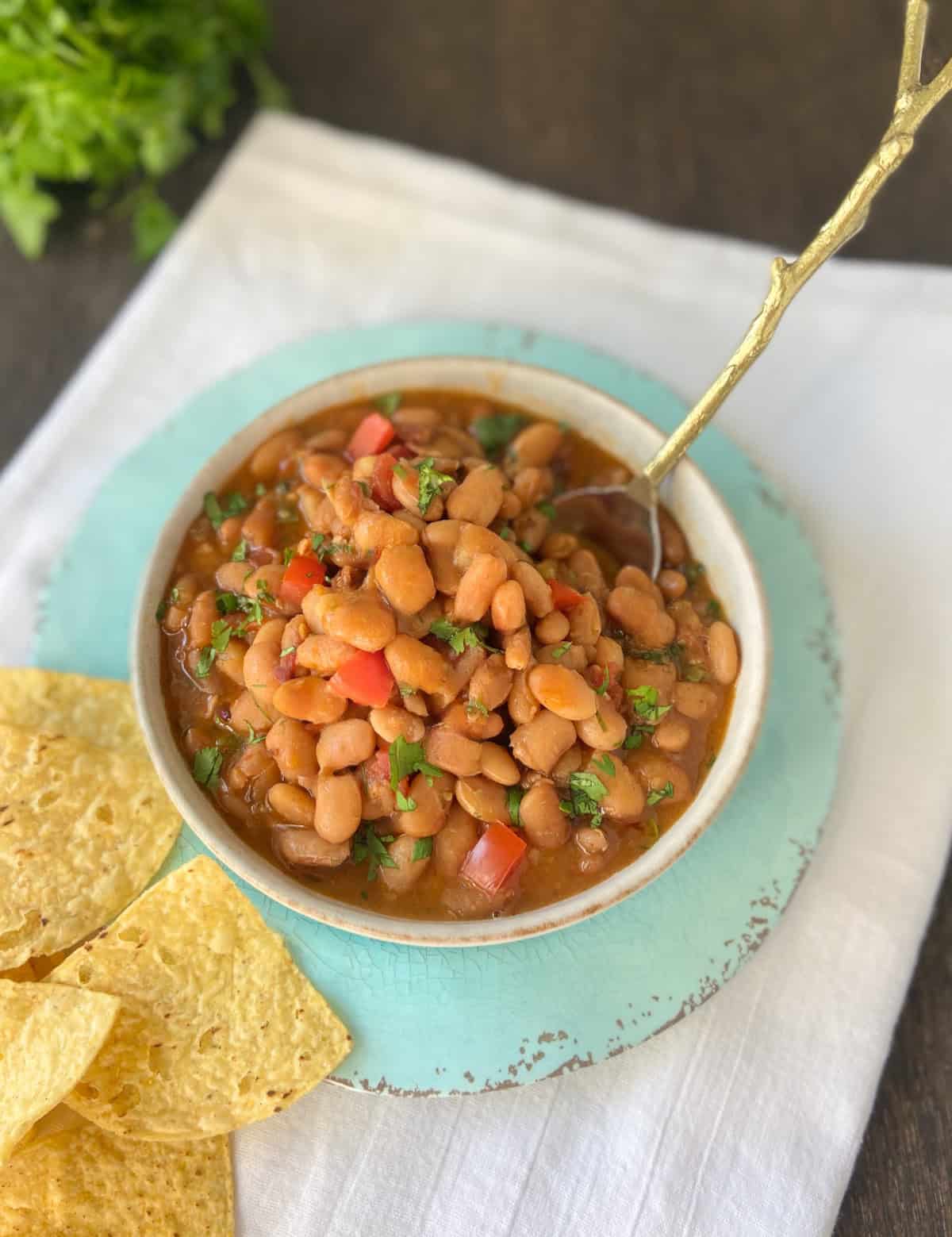
- Warm sides: Mexican rice, Charro beans, warmed flour and corn tortillas, Tomalito (corn casserole)
- Cold sauces and toppings: guacamole, salsa, pico de gallo, sour cream, jalapeno crema
- Warm sauces: queso, chili con carne, Ranchero sauce, sour cream sauce
For more menu ideas, see 25 Side Dishes for Tamales
How to Arrange the Buffet Line
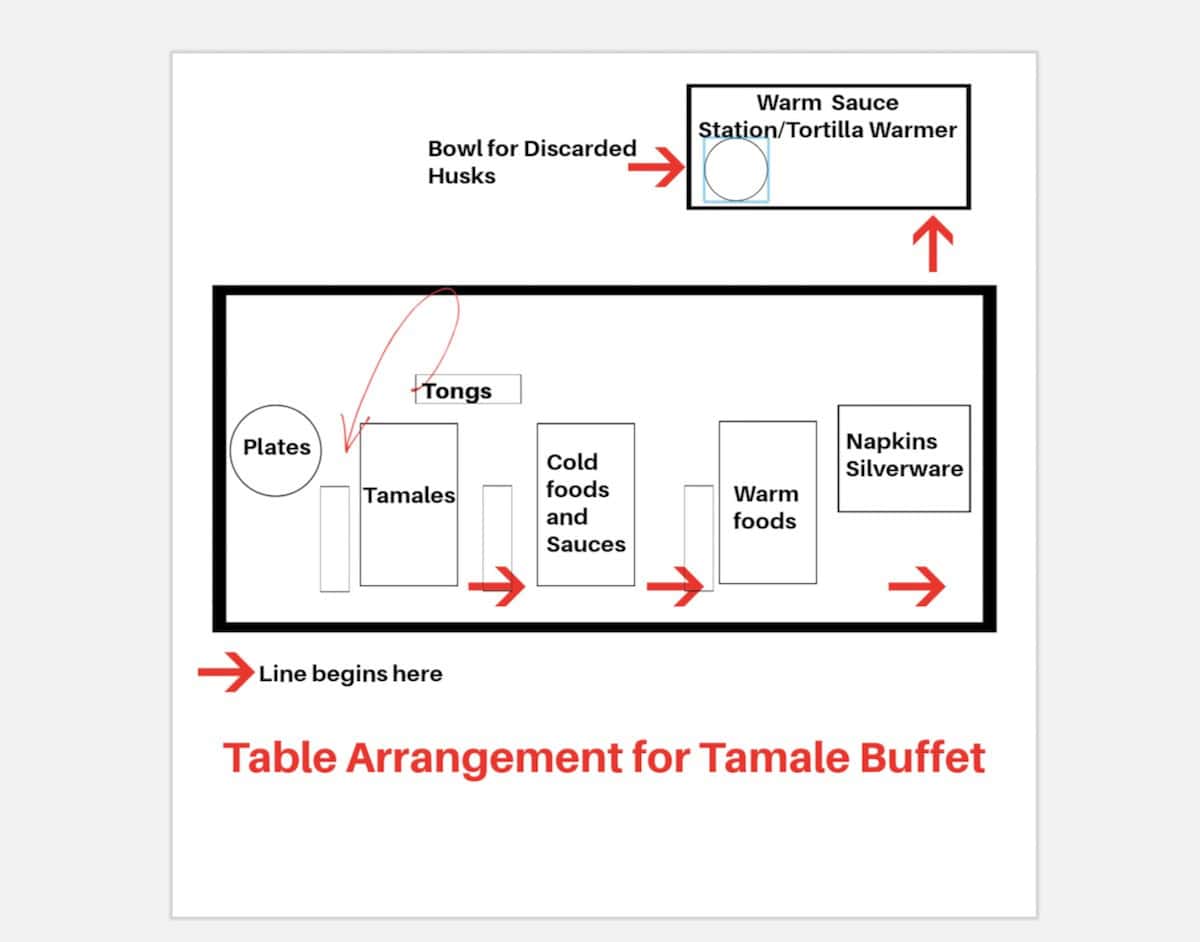
Here’s my recommendation for setting up the buffet line, from left to right
- Plates: Start with sturdy, sectioned dinner plates large enough to accommodate tamales and several side dishes.
- Tamales in their corn husks: Arrange the hot tamales in covered steamers or suitable warming dishes with tongs for easy removal. Keep each variety separated and clearly labeled.
- Cold salads: Offer your choice of Mexican coleslaw, corn salad, green salad or other chilled sides.
- Cold sauces and toppings: Arrange guacamole, salsa, pico de gallo, sour cream and other cold garnishes in individual serving bowls.
- Warm side dishes: Set out Mexican rice, refried beans, charro beans or other hot accompaniments.
- Napkins and utensils: Place these at the end of the buffet so guests have both hands available while serving themselves.
Position the warm sauce station immediately after the main buffet, with enough space for guests to stop and serve themselves without blocking the line.
Why Put the Tamales First?
Professional caterers recommend placing the main entrée near the beginning of a buffet line, followed by salads, side dishes, sauces and garnishes. Utensils and napkins are last on the buffet table so guests don’t have to juggle utensils while serving themselves.
By selecting their tamales first, guests can arrange the remaining sides around them rather than filling their plates with sides and running out of room for the main attraction!
This arrangement works particularly well for tamales because they’re served in their corn husks. The husks help retain heat and moisture as guests move through the buffet. They also keep the tamales together until guests are seated and ready to eat.
Set Up a Separate Warm Sauce Station
Warm sauces are an important part of a tamale dinner, but they present a somewhat unique challenge when serving tamales buffet-style.
Since the tamales are still wrapped in their husks, guests can’t simply ladle sauce over them as they move through the serving line. The husks must be removed first.
A separate warm sauce station, positioned immediately after the main buffet, is a practical solution. Place a large bowl on the warm sauce station for guests to discard their tamale husks. This allows guests to ladle a warm sauce while the tamale is still hot.
Offer 2-4 varieties of warm sauces from the following:
- Chile con carne
- Traditional red chile sauce
- Tex-Mex sour cream sauce
- Chile con queso
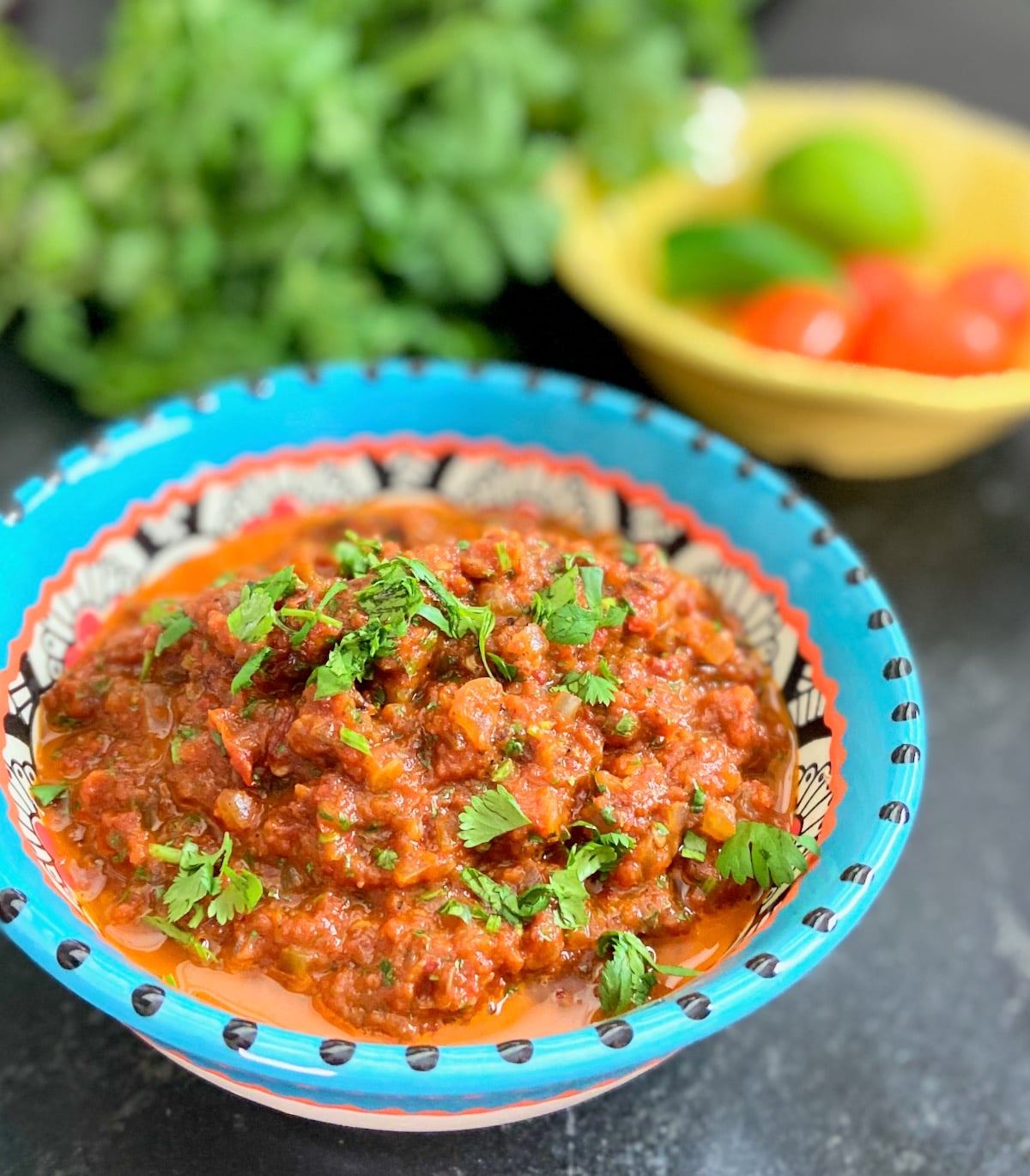
- Ranchero sauce
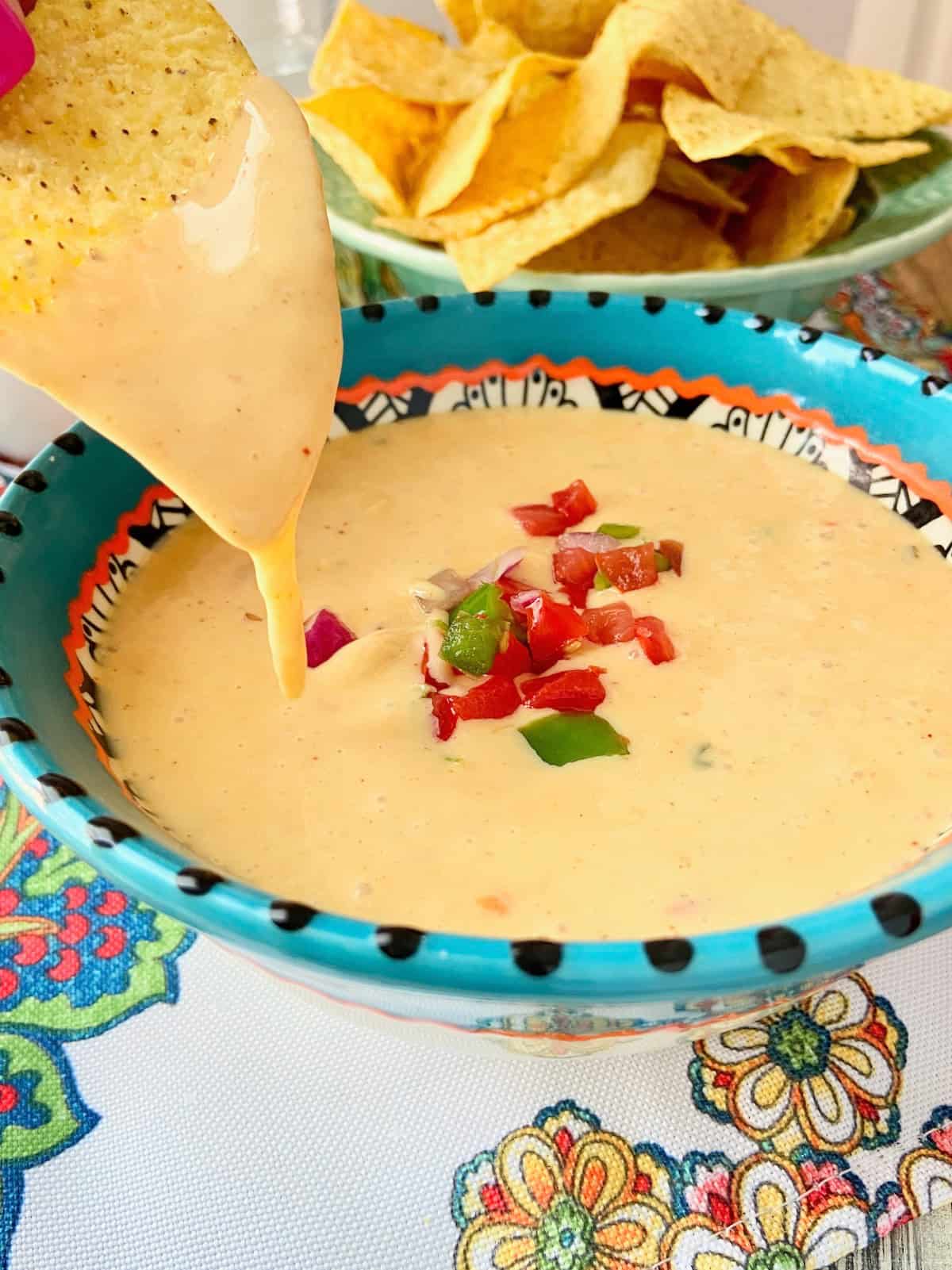
Include Small Sauce Bowls
Provide small individual sauce bowls or ramekins so guests can select their favorite warm sauces without pouring them over wrapped tamales or co-mingling with side dishes.
Small palm-leaf bowls are an attractive disposable option, especially when paired with natural palm-leaf dinner plates.
A 2–3-ounce bowl is a practical size for individual servings of sauce. Guests who enjoy more than one sauce can select separate bowls for each.
Buffet tip: Leave a small, clear area at the warm sauce station where guests can temporarily set down their dinner plates while filling their sauce bowls. This eliminates the need to juggle a full plate, a serving ladle and several ramekins.
Offer Warm Tortillas
Warm flour tortillas make a nice addition to the sauce station, especially if you’re serving warm dipping sauces like chile con carne or queso.
Keep the tortillas covered in an insulated tortilla warmer or chafing dish to help retain their heat and prevent them from drying out.
Position the tortillas before the warm sauces so guests can select their tortillas and sauces before heading to the dining table.
Choosing Plate and Serving Dishes
The type of dinnerware you use can make a big difference in how easily guests navigate the buffet.
I recommend using high-quality sectioned, disposable palm-leaf plastic plates because tamales take up considerable room on a plate, particularly when they’re still wrapped in their husks. Add a few side dishes, guacamole and salsa, and a standard dinner plate can fill up quickly!
Choose sturdy, food-safe dinnerware that can support the weight of several tamales and side dishes.
For a tamale bar, consider these options:
- Large dinner plates: Sturdy 10–12-inch plates provide room for tamales and several side dishes.
- Divided dinner plates: Sturdy paper or plastic plates with multiple compartments help keep salads, beans, rice and sauces separated.
- Palm-leaf plastic plates: Natural palm-leaf dinnerware offers a rustic appearance that’s especially attractive for a Mexican-themed buffet.
- Small sauce bowls: Individual ceramic or palm-leaf ramekins allow guests to select several sauces without mixing them together.
For liquid sauces, make sure individual bowls are deep enough to prevent spills and are suitable for hot foods.
How to Keep Tamales Warm for a Buffet
One of the biggest challenges when serving tamales to a crowd is keeping them warm without drying them out.
Tamales are traditionally steamed in corn husks, and I recommend leaving the husks on until guests are ready to eat. The husks help retain moisture and provide some insulation while guests move through the buffet.
Use a Steaming Tray or Warming Dish
Once the tamales are fully cooked and heated, transfer them to a covered steamer or appropriate warming vessel. There are several stainless steel steaming trays and warming pads to choose from.
For simplicity’s sake, I recommend placing a large dish on a warming pad; lightly covered with a clean, fresh cotton napkin or dishtowel and a set of tongs. This allows guests to easily fold back the fabric cover, get their tamales, and, using tongs, replace the cover.
For buffet service, keep hot tamales at an internal temperature of 140°F or higher, using a food thermometer to verify the temperature.
If you’re serving several varieties of tamales, warm them in separate labeled containers so guests can easily identify the fillings.
Replenish the Buffet as Needed
Rather than putting everything out at once, serve smaller batches and replenish when you see the serving bowl getting low. Keep the remaining tamales properly heated until it’s time to bring out another batch. This helps maintain the quality of the tamales and keeps the buffet looking fresh throughout the meal.
How Many Tamales per Person?
The number of tamales you’ll need depends upon their size, the appetites of your guests and how many side dishes you’re serving. As a general planning guideline, allow 2–3 medium-sized tamales per adult when serving several substantial side dishes. If tamales are the only main dish and you’re offering just a few light accompaniments, plan for additional servings.
| Number of guests | 2 tamales each | 3 tamales each |
| 10 | 20 | 30 |
| 15 | 30 | 45 |
| 20 | 40 | 60 |
| 25 | 50 | 75 |
| 30 | 60 | 90 |
These are estimates, so adjust the quantities for smaller or larger tamales, children and guests with hearty appetites.
If you’re offering several varieties, label the tamales by filling and consider identifying spicy selections so guests know what they’re choosing.
Additional Tamale Bar Setup Tips
A few small details can make your buffet easier to navigate and more enjoyable for guests.
- Label the food: Identify the different tamale fillings, sauces and side dishes, particularly spicy foods and those containing common allergens.
- Provide a place for discarded husks: Set a small bowl or basket on each dining table and at the warming sauce station so guests can discard their corn husks without cluttering their dinner plates.
- Use separate serving utensils: Provide individual serving spoons, tongs or ladles for each dish to minimize cross-contact between foods.
- Keep cold foods cold: Hold perishable cold dishes at 40°F or below, using chilled serving dishes or ice as needed.
- Keep hot foods hot: Use suitable warming equipment to maintain hot foods at 140°F or above.
- Replenish serving dishes: Replace nearly empty dishes with fresh ones instead of continually adding new food to food that’s already been sitting on the buffet.
- Leave room between dishes: Give guests enough space to serve themselves without reaching over neighboring foods or other guests.
For food safety, perishable foods shouldn’t remain at room temperature for more than two hours, or one hour when the surrounding temperature is above 90°F.
Make Your Tamale Bar Easy and Enjoyable
A successful tamale bar doesn’t require an elaborate menu or expensive serving equipment. The key is arranging the food in a logical order, keeping the hot foods hot and giving guests enough room to serve themselves comfortably.
By placing the tamales first, grouping the side dishes and cold toppings together, and providing a separate warm sauce station, you can create an organized buffet that lets everyone enjoy their favorite tamales with all the fixings at the right temperature and the way they like them.
Whether you’re hosting a Christmas Eve tamale dinner, a casual family gathering or a party with friends, a little advance planning makes serving tamales to a crowd easy and enjoyable!